Mobile Massage Therapy: Relaxation and Wellness at Your Doorstep

The hardest part of getting a massage is often everything around the massage. Booking the appointment, driving across town, finding parking, rushing back into traffic, or trying to return to work while your body is finally relaxed can take the shine off the experience.
Mobile massage changes that. Instead of traveling to a spa or clinic, a licensed massage therapist comes to your home, hotel, event space, or workplace with the equipment needed for a professional session. The result is simple but powerful: care fits into real life, not the other way around.
For people with packed schedules, limited mobility, high stress, or a desire for more comfort and privacy, mobile massage can make wellness feel much more accessible. It brings bodywork into familiar spaces and turns an ordinary room into a calm place to reset.
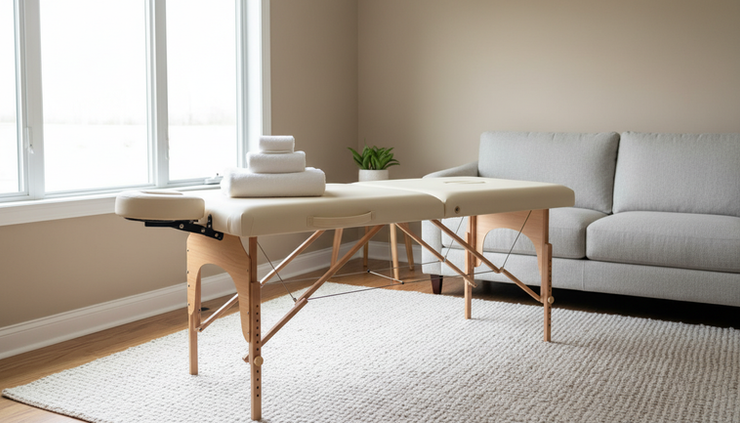
Mobile massage makes self-care easier to schedule
Convenience is one of the biggest reasons people choose mobile massage. A traditional massage appointment often requires extra time before and after the session. Even if the massage lasts 60 minutes, the full outing can take much longer once travel, parking, check-in, changing, and the trip home are included.
With mobile massage, much of that extra effort disappears. The therapist brings the table, linens, oils or lotions, and other supplies. All that is needed is a clean, quiet space with enough room to move around the table.
That convenience can be especially helpful for:
Parents or caregivers who find it difficult to leave home
Remote workers who need a reset between long stretches at the computer
People recovering from travel, training, or physically demanding work
Older adults or those with limited mobility
Couples, families, or small groups who want back-to-back sessions
Employers planning wellness days or appreciation events
A mobile appointment also protects the calm feeling after the massage. There is no need to get into a car right away or return to a crowded waiting area. After the therapist leaves, the session can continue in a quieter way. You can drink water, take a warm shower, rest, stretch lightly, or simply enjoy the ease in your body.
That aftercare matters. Many people feel the biggest difference when they do not have to rush back into the noise of the day.
It fits into homes, hotels, and workplaces
Mobile massage is not only for home appointments. It can also support wellness in other settings. A therapist may visit a hotel room after a long flight, a vacation rental during a retreat, or a workplace during an employee wellness event.
At a business, sessions may be shorter and focused on common tension areas such as the neck, shoulders, upper back, forearms, and hands. Some therapists use a massage chair for these visits, while others may bring a table if the space allows. The goal is the same: make relief easy to access without requiring people to leave the location.
The setting should be calm, private, and respectful. Even in a group environment, a good provider will explain boundaries, timing, and comfort options before each session begins.
Personalized service starts with your space and your needs
A spa can be relaxing, but it is still a shared environment. Mobile massage creates a more personal experience because the session begins in a place you choose. That can make it easier to relax, especially for people who feel more comfortable at home or who prefer a familiar setting.
The therapist can adapt the session based on your goals for the day. Some people want deep work on tight muscles. Others need a slower, gentler approach that supports rest. Some want help with soreness after exercise, while others carry tension from sitting, caregiving, driving, or stress.
Common goals include:
Reducing neck and shoulder tightness
Easing lower back discomfort
Supporting relaxation before sleep
Helping the body unwind after travel
Addressing general muscle fatigue
Creating a calm pause during a stressful season
A good therapist will ask about pressure preferences, areas to avoid, injuries, health conditions, and what you hope to get from the session. That conversation does not need to be long, but it should be clear. The more honest the intake, the better the session can match your needs.
Personalized service also means consent and communication. You can ask for less pressure, more pressure, extra time on one area, or a change in positioning. You can also pause or stop the session at any point. Professional massage should never feel like something you have to endure.

Familiar surroundings can help the body relax
The nervous system responds to safety and comfort. A familiar room, a favorite blanket nearby, a pet resting in another area of the home, or soft lighting can all help create a sense of ease.
For some clients, this is the main benefit of mobile massage therapy. The session does not feel like an errand or a formal appointment. It feels like care arriving where life already happens.
That can be useful for people who feel overstimulated by busy public spaces, those who are new to massage, or anyone who simply prefers privacy. When the environment feels comfortable, the body may settle more quickly.
Massage can support both mental and physical well-being
Massage is often described as a luxury, but many people use it as part of a regular wellness routine. It can support relaxation, body awareness, and healthy recovery habits. While massage is not a replacement for medical care, research and clinical experience suggest it may help reduce stress, ease muscle tension, and support a calmer state of mind.
This article is for informational purposes only. If you have a medical condition, recent injury, pregnancy-related concerns, circulatory issues, skin conditions, or ongoing pain, speak with a qualified health professional before booking a massage.
The physical benefits are often felt right away
Many everyday habits create tension. Long hours at a laptop, repetitive movement, heavy lifting, poor sleep, stress, and travel can all leave muscles feeling guarded or sore.
Massage may help by encouraging circulation, loosening tight soft tissue, reducing stiffness, and improving comfort during normal movement. Some people notice better range of motion after a session. Others simply feel lighter, warmer, or less braced.
Common physical effects may include:
Less muscle tightness
Reduced feelings of soreness
Improved ease of movement
A calmer breathing pattern
Better awareness of posture and tension habits
A deeper sense of physical rest
The benefits can vary from person to person. A single session may feel wonderful, while regular sessions may provide more lasting support for people with recurring tension patterns.
The mental benefits can be just as meaningful
The mind often holds stress in the body. Tight shoulders, clenched jaws, shallow breathing, and headaches can show up during busy or emotionally demanding periods.
Massage creates time with fewer inputs. No notifications, no tasks, no conversation unless you want it. For many people, that quiet is rare.
During a session, the body may shift into a more restful state. Breathing slows. Muscles begin to soften. Thoughts may become less urgent. Some people feel sleepy. Others feel clear-headed afterward.
That pause can be the real value. Mobile massage brings the pause directly into daily life, which can make it easier to choose rest before stress builds too high.
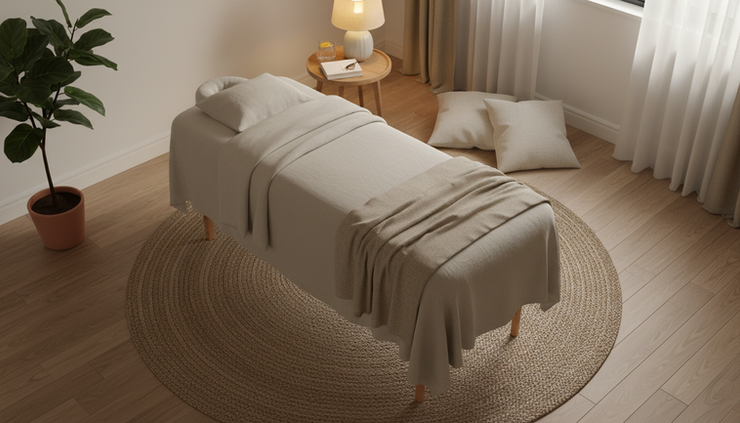
How to prepare for a mobile massage session
A little preparation helps the session feel smooth from the moment the therapist arrives. The setup does not need to be perfect. It only needs to be clean, comfortable, and practical.
Choose the right room
Pick a room with enough space for the massage table and room for the therapist to walk around it. A living room, bedroom, guest room, or calm multipurpose space can work well.
Aim for:
Enough floor space for the table
Comfortable room temperature
Good lighting that can be softened
A nearby outlet if the therapist uses a table warmer or music
Privacy from other people in the home
Low noise from TVs, appliances, or conversations
If pets live in the home, place them in another room before the therapist arrives. Even friendly pets can interrupt the session or create tripping hazards during setup.
Take care of simple basics
Try not to eat a heavy meal right before the session. A light snack is usually more comfortable if you are hungry. Drink water, use the restroom, and give yourself a few minutes to switch gears before the appointment.
Before the therapist arrives, clear a path from the entrance to the massage area. Portable tables are manageable, but they still need space to move safely through doorways and hallways.
It also helps to prepare any personal items you want nearby:
A hair tie
A water bottle
An extra blanket
Comfortable clothes for after the session
A list of areas you want to focus on or avoid
Share health information before the work begins
Professional massage therapists need to know about anything that could affect the session. This may include injuries, surgeries, chronic conditions, allergies, medications that affect bruising or circulation, pregnancy, recent illness, or skin sensitivities.
This conversation protects both comfort and safety. It also helps the therapist choose suitable pressure, positioning, and techniques.
Be clear about what you want. If your upper back is the main concern, say that. If your goal is stress relief and sleep support, say that too. The session can then be shaped around the outcome that matters most.
What to expect when the therapist arrives
Mobile massage follows a simple flow. The therapist arrives with equipment, sets up the space, reviews your intake information, and explains the session plan. Setup usually takes only a short time, though it may vary based on the room and the equipment.
The therapist will step out or provide privacy while you get on the table. You will be covered with a sheet or blanket during the session, with only the area being worked on uncovered. This is called draping, and it is a standard part of professional massage.
You can expect the therapist to check in about:
Pressure level
Temperature
Music or silence
Areas of focus
Areas to avoid
Any discomfort during the session
Some sessions are quiet. Others include occasional conversation about pressure, positioning, or how an area feels. Both are normal. You do not have to make conversation. Resting is part of the experience.
After the massage, the therapist will give you privacy to get dressed. They may offer simple aftercare suggestions, such as drinking water, moving slowly, or stretching gently later in the day. If payment or tipping was not handled in advance, that usually happens at the end.
Professional boundaries matter
A reputable mobile massage provider will act professionally from start to finish. That includes clear communication, proper draping, respect for privacy, and a clean setup. They should arrive prepared, explain what they are doing, and respond respectfully to feedback.
If anything feels uncomfortable, speak up. A professional therapist will adjust. Your comfort and consent are central to the session.

Making mobile massage part of a wellness routine
A single massage can feel restorative, but the bigger benefit often comes from consistency. Regular sessions can help people notice stress patterns earlier and take better care of their bodies before tension becomes overwhelming.
The right schedule depends on your needs, budget, and lifestyle. Some people book only during stressful seasons. Others schedule monthly sessions for maintenance. Athletes, caregivers, or people with physically demanding jobs may choose more frequent care when their bodies need extra support.
Between sessions, simple habits can help extend the benefits:
Take short movement breaks during the day
Stretch gently after long periods of sitting
Keep water nearby
Notice when your shoulders or jaw tighten
Protect sleep when possible
Use heat or rest when muscles feel overworked
Massage works best as one part of a larger approach to wellness. Good sleep, movement, hydration, balanced meals, medical care when needed, and regular downtime all play a role.
Mobile massage makes that approach easier to maintain because it removes barriers. Care becomes less about finding time to escape and more about letting support meet you where you are.
A calmer way to care for your body
Mobile massage brings professional relaxation and wellness into the spaces where people live, work, travel, and recover. It saves time, offers privacy, and allows the session to be shaped around personal needs. It can ease physical tension, support mental calm, and create a much-needed pause in a full schedule.
The best session starts with a simple setup, clear communication, and a willingness to rest. Choose a comfortable room, share your goals, speak up about pressure, and give yourself a little time afterward to enjoy the effects.
When care comes to your doorstep, relaxation feels less like a rare treat and more like a practical way to support everyday well-being.


Comments